
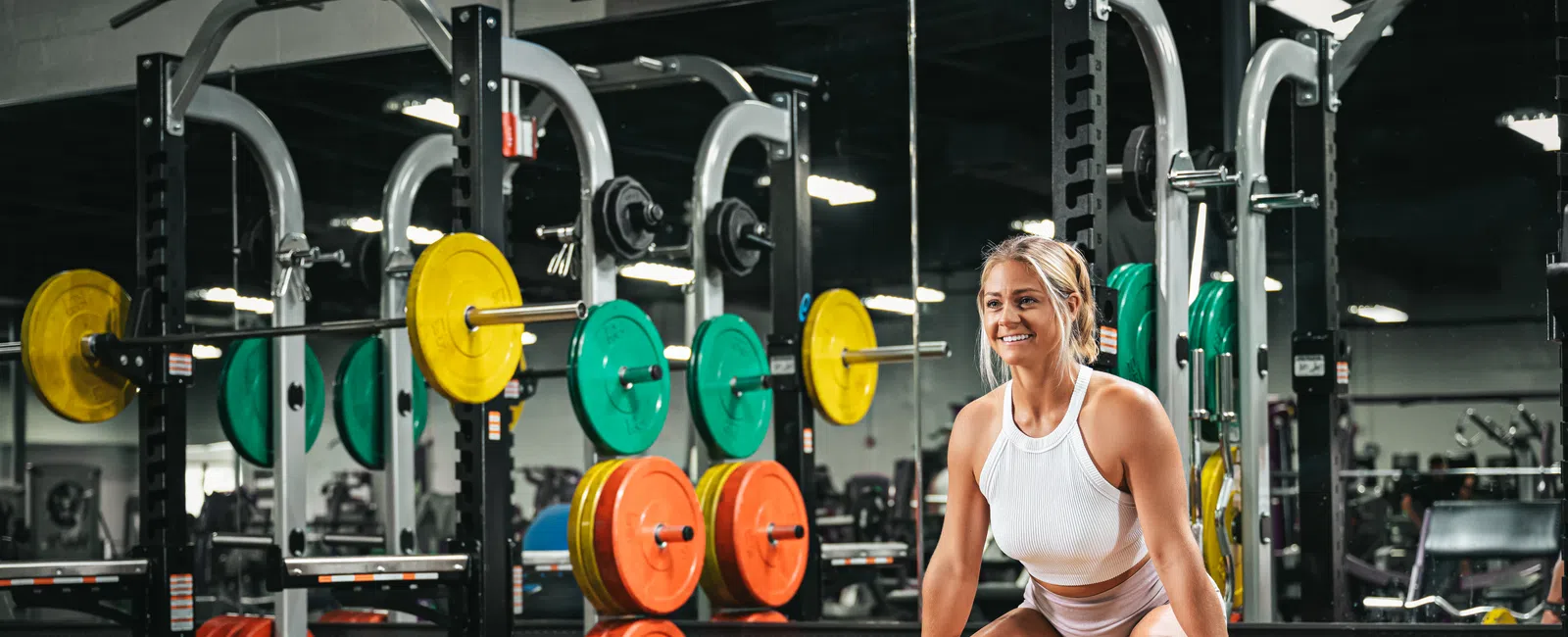
You had the absolute best workout yesterday. But today, something feels off. You can't seem to focus, and your motivation is waning.
Before you blame your training, ask yourself one question: How much sleep did you get last night?
Sleep is one of the most overlooked parts of any fitness routine. While you're asleep, your body repairs muscle tissue, balances hormones, and prepares you for your next workout.
Here are seven ways sleep deprivation can interfere with your fitness goals:
1. Your Muscles Recover More Slowly
Strength workouts create tiny tears in your muscle fibers. Those fibers become stronger during recovery, not during the workout itself. And when you don't get enough sleep, your body has less time to repair damaged tissue, which means soreness lasts longer and recovery slows down.
2. You Build Less Muscle
Your body releases the most growth hormone (a key player in muscle repair and development) when you sleep deeply.
Consistently sleeping fewer than seven hours may reduce muscle protein synthesis, making it harder to gain lean muscle. This can happen even if you're eating enough protein and training consistently.
3. Your Strength Takes a Hit
Ever notice your warm-up feels unusually heavy after a poor night's sleep? That's because sleep deprivation can reduce force production, coordination, and reaction time. That means lower squat numbers, fewer reps, and workouts that feel much harder than they should.
4. Your Stress Hormones Increase
Poor sleep increases cortisol. And while cortisol is a normal hormone, chronically elevated levels can interfere with muscle growth, slow your recovery, and make it harder to maintain lean body mass.
5. You're More Likely to Get Injured
Fatigue affects more than your energy levels. Lack of sleep can impair balance, coordination, focus, and movement quality, increasing the risk of strains, sprains, and lifting injuries.
6. Your Workout Motivation Drops
Sleep deprivation doesn't just affect your muscles; it affects your brain. When you're exhausted, even simple workouts can feel overwhelming. You're more likely to skip the gym, shorten your session, or train at a lower intensity.
Consistency is one of the biggest predictors of fitness success, and poor sleep makes consistency much harder.
7. Your Nutrition Suffers
A poor night's sleep can increase hunger hormones while reducing the hormones that tell you you're full. This leads to stronger cravings for sugary or high-calorie foods. Even the best workout plan can be undermined if sleep deprivation causes your eating habits to spiral.
Sleep is Essential for Muscle Growth
While getting 7-9 hours of quality sleep each night should be your goal, recovery doesn't end when your day begins. Supporting your body with active recovery, proper hydration, stretching, and balanced nutrition should all be part of your routine.
At YouFit Gyms, we believe real fitness happens both inside and outside the gym. That's why we offer recovery-focused amenities at many of our clubs:
YouFit Gyms Locations with Saunas
- Altamonte, FL - Cranes Roost Blvd
- North Lauderdale, FL - McNab Road
- Boca Raton, FL - Palmetto Park Road
- Miami, FL - Flagler Street & 87th Street
- Sunrise, FL - University Drive
- Pembroke Pines, FL - Pines Blvd
- Dania Beach, FL - Compass Way
- Boynton Beach, FL - Congress Ave
YouFit Gyms Locations with Recovery Amenities
- Hollywood - Oakwood Blvd
- Kendall - 112th Street
- Tampa - Race Track Road
- Boynton Beach, FL - Congress Ave
- Weston - 13th Lane
- West Boca Raton - Sandalfoot Plaza Drive
- Miami - 24th Street
- Miami - 87th Street
- Oakland Park - Commercial Blvd
- Miami - 79th Street
- Miami - Hammocks Blvd
- Dania - Compass Way
- Miami - Flagler Street
If you pair smart training with quality sleep and intentional recovery, you'll be better equipped to recover faster, perform stronger, and get more from every workout.



