Have you ever finished an intense workout feeling exhausted? You may have wondered what your body is doing after you leave the gym. Every challenging workout puts stress on your body. And once you're finished with your workout, that stress tells your body to repair itself and adapt so you're better prepared for the next challenge.
Let's take a closer look at what happens inside your body after an intense workout and how you can support your body's recovery process.
What Happens to Your Body After an Intense Workout?
Recovery begins almost immediately after your final repetition. Instead of "turning off," your body shifts into repair mode. And several systems begin working simultaneously:
- Damaged muscle fibers begin rebuilding.
- Glycogen (stored carbohydrates) starts replenishing.
- Hormones regulate inflammation and tissue repair.
- Your nervous system resets.
- Heart rate and breathing gradually return to baseline.
- The immune system helps remove damaged cellular material.
This process is what prepares your body for your next workout.
The First Hour After Exercise
The first 30-60 minutes are often called the immediate recovery phase. During this period, three things happen:
- Heart Rate Begins Returning to Normal: This process helps reduce fatigue and prepares your body for normal daily activity.
- Blood Flow Remains Elevated: Even after your workout ends, your blood continues delivering oxygen, amino acids, glucose, and electrolytes. These nutrients kickstart tissue repair.
- Your Body Rehydrates: Sweating causes losses of water, sodium, potassium, and magnesium. Replacing fluids is critical for maintaining circulation, muscle function, and temperature regulation.
Muscle Repair: Turning Effort Into Results
Resistance training creates microscopic tears in muscle fibers. And your body responds by:
- Sending immune cells to the damaged tissue
- Removing damaged proteins
- Activating satellite cells
- Stimulating protein synthesis
- Building thicker, stronger muscle fibers
This adaptation is how muscles grow. And without the right amount of recovery time, this process stalls.
The Role of Inflammation in Recovery
Inflammation gets a bad rap, but short-term inflammation is really beneficial; it serves as your body's repair signal. Problems arise only when inflammation becomes chronic due to poor sleep, excessive stress, poor nutrition, or inadequate recovery time.
Hormones That Help You Recover
Several hormones play key roles after exercise:
- Growth Hormone is released during exercise and deep sleep. It helps with tissue repair, muscle recovery, and fat metabolism.
- Testosterone helps stimulate muscle protein synthesis and supports strength development.
- Insulin helps transport glucose, amino acids, and nutrients into muscle cells where they're needed most.
- Cortisol increases during exercise to help provide energy. (You have to be careful with this one, though; chronically elevated cortisol from stress or insufficient recovery can slow muscle repair.)
Your Recovery Starts the Moment Your Workout Ends
Your job isn't over when the workout ends. Recovery is an active part of the training process, and the habits you practice after your workout can determine whether your body comes back stronger or simply stays tired.
Nutrition After Exercise Matters
Nutrition plays an important role in recovery. Your post-workout meal should include protein, carbohydrates, and healthy fats. These three things provide the nutrients your body needs to recover.
- Protein: Helps repair and rebuild muscle tissue. Great options include chicken, fish, eggs, Greek yogurt, cottage cheese, tofu, tempeh, or a protein shake.
- Carbohydrates: Replenish glycogen stores and restore energy. Choose foods like rice, potatoes, fruit, oats, whole-grain bread, or quinoa.
- Healthy Fats: Support hormone production and overall health. Include foods such as avocados, nuts, seeds, olive oil, and fatty fish.
Sleep Is the Ultimate Recovery Tool
If recovery had a "secret weapon," it would be sleep. During deep sleep, your body:
- Produces growth hormone
- Repairs muscle tissue
- Consolidates motor learning
- Restores nervous system function
- Supports immune health
Most adults should aim for 7-9 hours of quality sleep each night. Even the best workout program can't overcome consistently poor sleep.
Active Recovery vs. Complete Rest
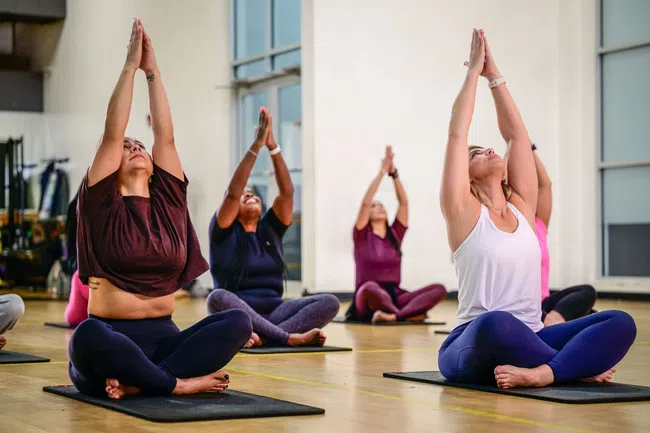
Not every recovery day has to involve sitting on the couch. Active recovery increases circulation without adding stress. On active recovery days, incorporate walking, yoga, light cycling, swimming, stretching, or other mobility exercises. These activities can reduce stiffness while promoting blood flow to your muscles.
Signs Your Body Is Recovering (and When It Needs More Rest)
Paying attention to how you feel between workouts can help you determine whether your current recovery routine is supporting your goals or if it's time to prioritize more rest.
Signs You're Recovering Well |
Signs You May Need More Recovery |
Less muscle soreness |
Persistent fatigue |
Improved workout performance |
Declining performance |
Better sleep quality |
Elevated resting heart rate |
Stable energy levels |
Loss of motivation |
Healthy appetite |
Frequent illness |
Good motivation to train |
Constant muscle soreness |
Improved strength |
Irritability |
Recovery Is Where Fitness Happens
It's easy to celebrate the sweat, the heavy lifts, and the challenging workouts. But those moments are only half the equation. Every nutritious meal, full night's sleep, hydration break, and recovery day gives your body the opportunity to repair, rebuild, and come back stronger.
At YouFit Gyms, we believe fitness isn't about pushing yourself to the limit every single day. It's about training with purpose, recovering with intention, and building habits you can sustain long term.
YouFit Gyms Locations with Recovery Amenities
- Hollywood - Oakwood Blvd
- Kendall - 112th Street
- Tampa - Race Track Road
- Boynton Beach, FL - Congress Ave
- Weston - 13th Lane
- West Boca Raton - Sandalfoot Plaza Drive
- Miami - 24th Street
- Miami - 87th Street
- Oakland Park - Commercial Blvd
- Miami - 79th Street
- Miami - Hammocks Blvd
- Dania - Compass Way
- Miami - Flagler Street