Are you ready for a new challenge?
Teaching yourself a new skill can be hard, but having a deadline-based goal can keep you motivated and on track. And a race does just that. Races are typically planned well in advance, so while you train, you'll have a countdown to help keep you going.
While you might dream of someday being one of the first to cross the finish line, your first 5K isn't about speed; it's about consistency. And 5K training is where that foundation is built.
What is a 5K?
A 5K is 5 kilometers (3.1 miles), and it's the most popular race for beginner runners.
Unlike half marathons or full marathons, a 5K can usually be completed after 6-10 weeks of consistent training, even if you're starting with little or no running experience.
You'll find thousands of 5K races around the country each year, including:
- Charity runs
- Color Runs
- Glow Runs
- Holiday-themed races
- Mud runs
- Local community events
Beginner 8-Week 5K Training Plan
As you begin training for a 5K, your primary goal is to gradually build endurance while giving your body enough time to recover. This beginner-friendly plan uses the run/walk method, which has helped countless first-time runners cross the finish line.
Weekly Schedule
Aim for three running workouts each week, with recovery days in between. Here's a potential outline, but ultimately you should find a system that works best for your goals and recovery needs:
- Monday: Easy run or run/walk workout
- Tuesday: Strength training or rest
- Wednesday: Run or run/walk workout
- Thursday: Mobility, yoga, or light strength training
- Friday: Rest
- Saturday: Long run or run/walk
- Sunday: Active recovery (walking or stretching)
Week-by-week Schedule
Week |
Workout 1 |
Workout 2 |
Weekend Workout |
1 |
Run 1 min / Walk 2 min × 8 |
Repeat |
30-minute brisk walk |
2 |
Run 2 min / Walk 2 min × 7 |
Repeat |
Run 2 min / Walk 2 min × 8 |
3 |
Run 3 min / Walk 2 min × 6 |
Repeat |
35-minute run/walk |
4 |
Run 5 min / Walk 2 min × 5 |
Repeat |
40-minute run/walk |
5 |
Run 8 min / Walk 2 min × 4 |
Repeat |
45-minute run/walk |
6 |
Run 10 min / Walk 2 min × 3 |
Repeat |
30-minute continuous run (or run/walk if needed) |
7 |
Run 25-30 minutes continuously |
Repeat |
Easy 35-minute run |
8 |
Two easy 20-minute runs |
Rest and stretch |
Race Day! |
8 Beginner 5K Training Tips
1. Set a Reasonable Goal
Most first-time runners should have a simple goal for their 5K: To finish. That's it! No land speed records. Just glide across the finish line, even if that means walking.
Daily runners usually clock a 9-12-minute mile, which means a 5K takes them 28-37 minutes. Walkers who keep a brisk pace usually cover a mile in 15 minutes, which means they'll finish a 5K race in 45 minutes to an hour.
If you're new to running, you'll likely mix running and walking, so plan your time accordingly.
2. Invest in Good Shoes
If this is your first pair of running shoes, go to a running shoe store where professionals will fit you properly. They'll measure your foot, watch you walk and run, and ideally even do it on an incline and a decline. From there, you'll have the opportunity to try on many styles until you find one that fits and supports your foot.
3. Block Out Training Time
When life gets busy, guess what falls off the to-do list first? Exercise! That's why some runners swear by getting outside first thing in the morning. Others, especially people who work from home, see a run/walk as a surprisingly effective midday pick-me-up. Still others like to shake off the day by training after work. Figure out what works best for you and stick to it.
4. Practice Running in All Kinds of Weather
On the day of the race, it might rain. It might be windy. What if it's surprisingly hot? It's a good idea to have confidence in your abilities, no matter what happens in the sky.
5. Drink Lots of Water
Your muscles will be working harder than usual, which can lead to fatigue, dehydration, and soreness. Everyone knows we should all drink more water, but here's a practical place to start: drink a full glass when you wake up, and another before dinner. That's it! Drink as many beverages as you like during the day, but adding these two glasses of water will really help you get into a better hydration habit.
6. Expect to Be Sore
Expect to be sore; you're pushing your body to move longer and harder than it's used to. Here are two remedies that can help with soreness:
- Soak for 20 minutes in a bath with Epsom salt. Use 2 cups of Epsom salt for a standard bathtub and more for an extra-large soaking tub.
- Stretch. Your hamstrings and back take the brunt of force when running, so give them relief.
7. Consider Cross-training.
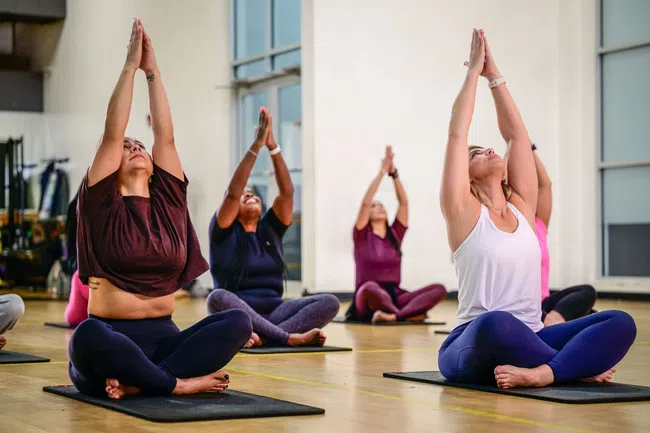
To avoid overtaxing your muscles and joints, exercises like yoga and pilates can keep your momentum going on off-days or as an occasional replacement for running. You'll still build strength and endurance, only without pounding the pavement. That's a win-win for many new runners.
8. Celebrate After the Race
We can't stress this enough: Running your first 5K is a big achievement! Don't skimp on the afterparty plans. Plan a nice dinner with friends or family. Toast to your success and plan your next race. Maybe someone at your table will be inspired and join you.
Quick Race Day Tips
Before the race:
- Eat a familiar breakfast
- Arrive 30-45 minutes early
- Warm up with a brisk walk
- Start slower than you think you should
During the race:
- Focus on your breathing
- Stay relaxed
- Walk if needed
- Enjoy the atmosphere
After crossing the finish line:
- Walk for 5-10 minutes
- Rehydrate
- Eat a balanced meal with protein and carbohydrates
- Celebrate your accomplishment
Ready To Train?
Every runner starts somewhere. At YouFit Gyms, our clubs combine cardio equipment, strength training, recovery tools, and expert personal trainers to help you prepare for your next fitness challenge with confidence.