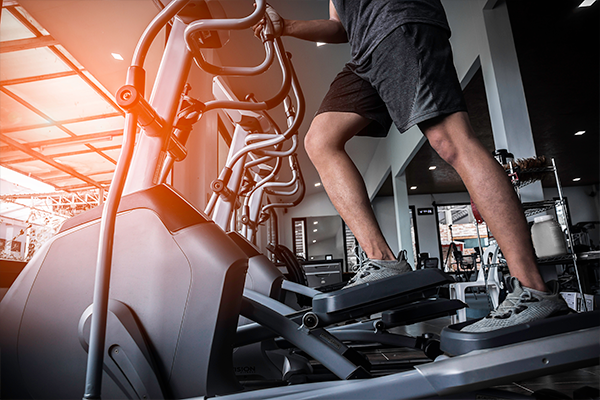

The gym logbook was my bible. Every workout, every set, every rep was meticulously tracked. My meal prep containers were a colorful, perfectly portioned testament to my dietary discipline. I was doing everything “right.” I was consistent, I trained hard, and I ate clean. Yet, for months, I was stuck on a frustrating plateau. My strength gains had stalled, my body composition wasn’t changing, and a persistent layer of fatigue clung to me like a weighted blanket. I was putting in the work, but the results just weren’t showing up.
The answer, it turned out, wasn’t in another supplement or a more brutal workout program. It was in the hours I was completely ignoring: the time I spent in bed. I was treating sleep as a necessary inconvenience, something to be squeezed in after late-night work emails and “one more episode” of my favorite show. I was consistently getting by on five or six hours of restless sleep, believing that my effort in the gym was enough to override my exhaustion. I was fundamentally wrong.
My breakthrough came when I started treating my sleep with the same seriousness as my training. I discovered that sleep wasn’t just a passive rest state; it was the most critical and active recovery period of my entire day. This is the crucial connection that so many of us miss: the work you do in the gym is the stimulus, but the growth, repair, and adaptation all happen while you sleep. If you’re serious about your fitness goals, it’s time to stop thinking of sleep as a luxury and start treating it as the non-negotiable foundation of your success.
The Biology of Rebuilding: What Really Happens When You Sleep
When you turn off the lights and close your eyes, your body is just getting started on its most important work. Sleep is a highly organized, dynamic process that provides the biological environment for every fitness adaptation you’re chasing. Let’s pull back the curtain on the science.
The Anabolic Window: HGH and Muscle Repair
The most critical phase for physical recovery happens during Stage 3 NREM (deep) sleep. During this stage, your pituitary gland releases a powerful surge of Human Growth Hormone (HGH). HGH is profoundly anabolic, meaning it promotes building and repair. It is the master hormone responsible for stimulating protein synthesis, which is the process of repairing the microscopic tears in your muscle fibers created during your workout and rebuilding them to be stronger and larger. Skimping on sleep, especially deep sleep, is like robbing your body of its most potent natural steroid. You can do all the bicep curls you want, but without sufficient HGH release during sleep, your muscles simply cannot recover and grow optimally.
The Hunger Games: Regulating Ghrelin and Leptin
Have you ever noticed that after a poor night’s sleep, you’re not only tired but also ravenously hungry, with intense cravings for sugary, high-calorie foods? This isn’t a lack of willpower; it’s a hormonal hurricane. Sleep is essential for regulating two key appetite hormones:
- Ghrelin, the “hunger hormone,” which stimulates your appetite.
- Leptin, the “satiety hormone,” which signals to your brain that you are full.
Sleep deprivation throws this delicate balance into chaos. Studies have shown that even one night of poor sleep can cause ghrelin levels to spike and leptin levels to plummet. This creates a perfect storm where your body is physically telling you to eat more, while simultaneously being less able to recognize when you’re full. This makes adhering to any nutrition plan incredibly difficult and can sabotage fat loss goals.
The Mental Blueprint: Motor Skill Consolidation in REM Sleep
Fitness is as much about the nervous system as it is about the muscular system. When you learn a new lift or try to perfect your form on a squat, you are teaching your brain a new motor pattern. The process of making this pattern smooth, efficient, and automatic happens during REM (Rapid Eye Movement) sleep. During this stage, your brain is highly active, replaying and consolidating the neural pathways you forged during your workout. This is where “muscle memory” is truly built. Quality REM sleep is what transforms a clunky, awkward movement into a strong, powerful, and instinctive one, improving your performance and reducing your risk of injury.
The Stress Saboteur: Taming Cortisol
Cortisol, the primary stress hormone, is naturally highest in the morning to help you wake up and lowest at night to allow you to fall asleep. Sleep deprivation disrupts this rhythm, leading to elevated cortisol levels throughout the day and into the evening. Chronically high cortisol is a fitness goal killer. It promotes the storage of visceral fat (especially around the abdomen), breaks down muscle tissue for energy (a catabolic effect), and interferes with recovery. Quality sleep is one of the most effective ways to keep your cortisol levels in check, creating a hormonal environment that is conducive to building muscle and losing fat.
Your body is an incredible machine that does its best work when you’re at rest. At YouFit Gyms, we champion a holistic approach to health that emphasizes the critical importance of recovery in achieving your goals. Discover a fitness community that supports your total well-being with a complimentary three-day pass!
Your Action Plan for High-Quality Sleep
Improving your sleep is an active process that requires creating a consistent routine and an optimized environment. Here are practical, science-backed strategies to transform your sleep quality.
- 1. Master Your Light Exposure
Light is the single most powerful driver of your circadian rhythm.- Morning Light: As soon as possible after waking, expose yourself to 10-15 minutes of direct sunlight. This sends a powerful signal to your brain’s master clock, shutting off melatonin production and anchoring your entire 24-hour cycle.
- Evening Darkness: In the 1-2 hours before bed, make your environment as dim as possible. Blue light from phones, tablets, and TVs is particularly disruptive as it mimics daylight and suppresses melatonin production. Use blue light-blocking glasses, enable “night mode” on your devices, or—better yet—put the screens away entirely.
- 2. Create a Sleep Sanctuary
Your bedroom should be a cave—cool, dark, and quiet.- Cool: Your body’s core temperature needs to drop to initiate sleep. The ideal temperature is between 60-67°F (15-19°C).
- Dark: Use blackout curtains and cover any LED lights. Complete darkness maximizes melatonin release.
- Quiet: If you live in a noisy environment, consider using a white noise machine or earplugs to block out disruptive sounds.
- 3. Time Your Workouts and Meals Strategically
- Exercise: Aim to finish any high-intensity workouts at least 3-4 hours before bedtime. The increase in cortisol and core body temperature from an intense session can interfere with your ability to fall asleep. Gentle activities like stretching or yoga are fine in the evening.
- Nutrition: Avoid large, heavy meals within 2-3 hours of bedtime, as this can cause digestive discomfort. A small, carb-rich snack (like a banana or a small bowl of oatmeal) about an hour before bed can actually help promote sleep by making the sleep-inducing amino acid tryptophan more available to the brain.
- 4. Develop a “Wind-Down” Ritual
You can’t expect to go from 100 mph to a dead stop. Your brain needs a transition period. Create a relaxing, non-negotiable wind-down routine for the 30-60 minutes before bed.- Examples: Reading a physical book (not on a screen), gentle stretching, meditation or deep breathing exercises, taking a warm bath or shower (the subsequent drop in body temperature can help trigger sleepiness), or journaling.
A great workout is the perfect setup for a great night’s sleep. YouFit Gyms offers a clean, modern, and motivating environment to help you expend your energy during the day so you can recover deeply at night. Start your journey to better fitness and better sleep with a complimentary three-day pass today!
Frequently Asked Questions (FAQ)
Q: What is the single most important thing I can do to improve my sleep for fitness recovery?
A: The single most important factor is consistency. Going to bed and waking up at the same time every single day—even on weekends—is the most powerful way to anchor your circadian rhythm. This regularity trains your body to anticipate sleep and wakefulness, making it easier to fall asleep at night and wake up feeling refreshed.
Q: Do I really need 8 hours of sleep if I feel fine on 6?
A: While individual sleep needs can vary slightly, the vast majority of adults require 7-9 hours of quality sleep for optimal physical and cognitive function. Many people who claim to “feel fine” on less sleep have simply become accustomed to a state of chronic sleep deprivation and are unaware of how much better they could feel and perform. For individuals engaged in regular, intense exercise, the need for sleep is often on the higher end of that 7-9 hour range due to the increased demand for physical repair.
Q: Is it true that the hours you sleep before midnight are more valuable?
A: This is a common saying that holds some scientific truth. The first half of the night is typically when you get the majority of your deep NREM sleep, which is the most physically restorative stage and when HGH is released. The second half of the night is dominated by lighter NREM and REM sleep. So, while all stages are important, ensuring you are asleep during the hours when your body is primed for deep sleep (typically between 10 PM and 2 AM) is crucial for maximizing physical recovery.
Q: Can certain supplements help improve my sleep for recovery?
A: While a solid sleep routine should always be the priority, some supplements may offer support. Magnesium (specifically magnesium glycinate) can have a calming effect on the nervous system. Tart cherry juice has been shown to have a modest effect on melatonin levels and sleep duration. However, it’s essential to build your foundational habits first and to consult with a healthcare professional before starting any new supplement regimen.
Q: What if I wake up in the middle of the night and can’t get back to sleep?
A: The worst thing you can do is lie in bed stressing about not sleeping. If you’ve been awake for more than 20-30 minutes, get out of bed and go to another dimly lit room. Do a quiet, relaxing activity like reading a boring book or listening to calm music until you start to feel sleepy again, then return to bed. This helps to break the mental association between your bed and the anxiety of being awake.