
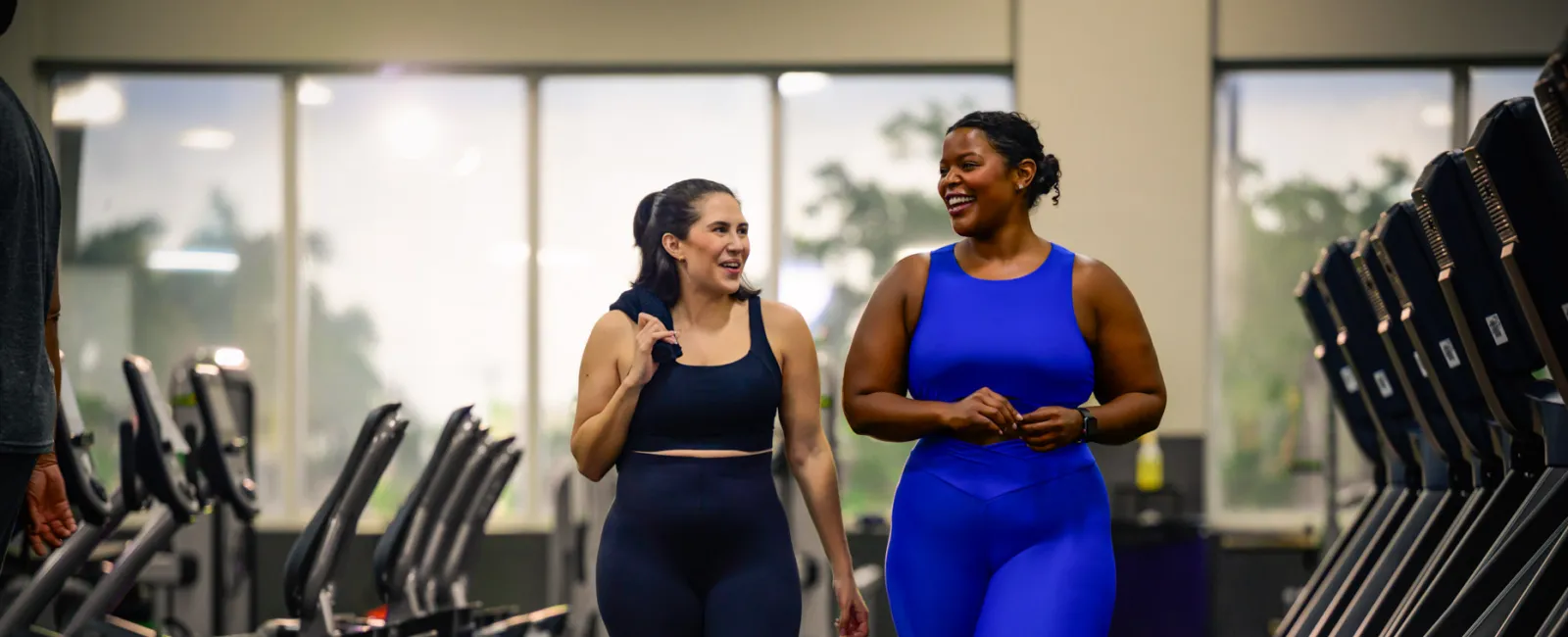
The cardio floor can feel like a lot the first time you walk past it. Rows of machines, everyone seeming to know exactly what they're doing, numbers counting down on screens. It's not intimidating once you know what you're looking at — and after reading this, you will.
Here's everything you need to walk onto the cardio floor, pick a machine, and actually have a good workout.
First: What Is Cardio, and Why Does It Matter?
Cardio is any exercise that raises your heart rate and keeps it there for a sustained period. That's the whole definition. Walking briskly counts. So does dancing, cycling, swimming, and yes — huffing on an elliptical while watching your phone.
The benefits are about as well-documented as anything in fitness: stronger heart, better sleep, improved mood, reduced stress, and more energy over time. Most people start cardio to lose weight, which is a valid reason — but the mood and energy effects tend to be what keeps them coming back.
The Four Main Cardio Machines (And What They're Good For)
Treadmill
The most familiar machine in the gym for a reason. Walking or running on a treadmill is exactly what it sounds like — the belt moves, you move with it.
Great for: beginners who want to start with walking and build up gradually. Start flat, start slow. You can always increase the incline or speed once you find your footing.
Elliptical
The elliptical mimics a running stride but with zero impact on your joints — your feet never leave the pedals. It's lower-impact than running, works both your upper and lower body, and burns a solid amount of calories.
Great for: anyone with knee or hip sensitivity, or beginners who find the treadmill too intense. This is a lot of people's machine of choice for a reason.
Stationary Bike
Sit down, pedal, control the resistance. Upright bikes feel like riding a regular bicycle. Recumbent bikes have a backrest and a more reclined position, which is easier on your lower back.
Great for: longer steady-state cardio sessions, anyone recovering from lower-body injuries, and people who just want to zone out with a podcast for 30 minutes.
Rowing Machine
The most underused machine on the cardio floor — and one of the best. Rowing works your legs, core, back, and arms simultaneously, making it genuinely full-body cardio. The technique takes about five minutes to learn and is worth learning.
Great for: anyone who wants a high-calorie burn without pounding their joints. Ask a trainer to show you the stroke if you've never used one.
How Long Should a Beginner Do Cardio?
Less than you think. Seriously.
If you're just starting out, 20 minutes is a completely legitimate workout. The goal isn't to exhaust yourself on day one — it's to finish feeling like you could come back tomorrow. A 20-minute session done consistently three times a week will do far more for you than a brutal 60-minute session that leaves you sore and dreading the gym for a week.
A simple starting framework:
- Weeks 1-2: 20 minutes, steady pace, any machine you like
- Weeks 3-4: 25-30 minutes, same comfortable pace
- Month 2+: Start adding short bursts of higher effort — go harder for 60 seconds, recover for 90, repeat
You don't need to follow this exactly. The point is: start small, build gradually, and don't let anyone make you feel like a shorter workout doesn't count. It counts.
How Hard Should I Be Working?
A useful rule of thumb: the "talk test." During a moderate cardio session, you should be able to speak in short sentences but not hold a full conversation comfortably. If you can chat freely, push a little harder. If you can't say a word, dial it back.
For beginners, moderate intensity is the sweet spot. It's sustainable, it's effective, and it doesn't wreck you.
A Few Things That Make It Easier
- Bring headphones. A good playlist or podcast makes 20 minutes disappear.
- Pick a machine you don't hate. The best cardio machine is the one you'll actually use. Don't force yourself onto the treadmill if the bike feels better.
- Go at a time that works for your schedule, not peak hours. Quieter gym = less self-consciousness, more machine options.
- Drink water before, during, and after. Not a revelation, but easy to skip when you're new and focused on everything else.
What to Do After Your Cardio Session
Two minutes of walking at low speed or easy pedaling at the end of your session gives your heart rate a chance to come down gradually. Then stretch — your hips, hamstrings, and calves in particular. You don't need a full yoga routine, but two minutes of stretching after every cardio session adds up.
And that's it. You know what you're doing now. Go pick a machine.
Every new YouFit member gets a free fitness assessment and workout plan. If you'd like a trainer to build a cardio routine specific to your goals, just ask at the front desk when you join.
