The Science of Muscle Growth: How to Build Body Muscle That Actually Sticks
Building muscle might seem like a mysterious process, but it boils down to a handful of proven principles.
Forget complicated workout programs and expensive supplements! Here's a clear breakdown of the real science behind muscle growth, and what it actually takes to see results when you're working out in the gym.
Strength 101: How Muscle Growth Works
Muscle gain isn't about lifting the heaviest weights you can find. It's about strategically challenging your muscles to force them to adapt and grow stronger.
To understand how muscle growth works, there are six key principles you need in your corner.
1. Progressive Overload | The Golden Rule of Muscle Growth
Think of your muscles as intelligent beings: they adapt to the demands you place on them. If you consistently perform the same workout routine with the same weights, your muscles will eventually become accustomed to the workload and stop growing. This is where progressive overload comes in. It's the golden rule of muscle building, stating that you need to gradually increase the stress placed on your muscles over time to stimulate growth.
Think of your muscles as intelligent beings: They adapt to the demands you place on them.
If you consistently perform the same workout routine with the same weights, your muscles will eventually become accustomed to the workload and stop growing. This is where progressive overload comes in. It's the golden rule of how to build body muscle: You need to gradually increase the stress placed on your muscles to stimulate growth.
There are several ways to achieve progressive overload:
Lift Heavier Weights
As you get stronger, gradually increase the weight you lift for each exercise. Start with a weight that allows you to perform 8-12 repetitions with good form, and as you master that weight, move up to a heavier one that challenges you within the same rep range.
Do More Reps
If adding weight isn't an option yet, push yourself to complete more repetitions per set. Aim to gradually increase the reps by 2-5 as you get stronger.
Perform More Sets
Adding sets increases the total volume of work your muscles are performing, leading to greater stimulation for growth. This is one of the most straightforward ways to increase muscle gains without changing a single exercise.
2. Resistance Training: The Foundation of How to Increase Muscles
Not all resistance is created equal, but the good news is there are many ways to create the muscle-building stimulus you need. Resistance training, the foundation of muscle building, involves any exercise that forces your muscles to contract against a force. This force can come from various sources:
Weight Lifting for Muscle Growth
The classic approach, weight lifting, allows you to progressively overload by increasing the weight on barbells, dumbbells, or weight machines. This is how most people working out at YouFit Gyms make their biggest gains.
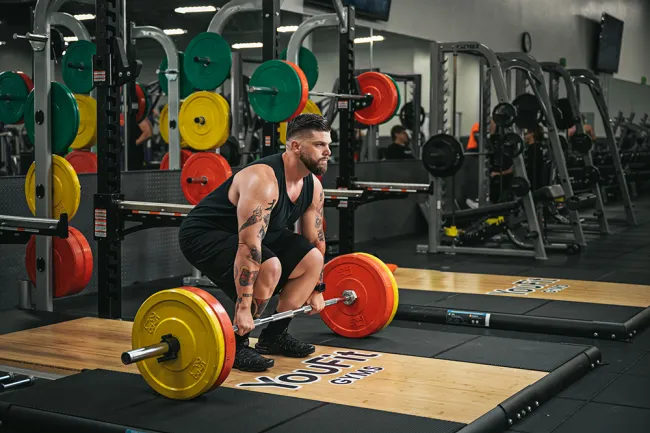
Plus, every YouFit Gyms club is equipped with Olympic weightlifting platforms, providing members with the space and equipment necessary for a range of exercises, from heavy compound lifts to advanced strength training.
Bodyweight Exercises
Don't underestimate the power of your own bodyweight! Push-ups, squats, lunges, and pull-ups can be incredibly effective for building muscle.
Cable Machines & Functional Trainers
Cable machines and functional training stations are staples in modern gyms for a reason. They provide constant tension throughout each movement, helping activate muscles through a full range of motion.
Exercises like cable rows, chest flyes, tricep pushdowns, and wood chops can target muscles from multiple angles while improving stability and coordination.

3. Training for Hypertrophy (a.k.a. Muscle Growth)
Building muscle isn't just about blindly lifting weights. Reps, volume, and exercise selection are what separate people who wonder how to get stronger in the gym from those who actually see results. Here's what the research supports:
The Volume Your Muscles Need
Volume refers to the total amount of work your muscles perform during a workout. It's calculated by multiplying the number of sets you perform for an exercise by the number of repetitions.
More volume generally translates to greater muscle growth, but rest and recovery are just as critical. Don't push yourself to the point of exhaustion. Listen to your body and incorporate rest days into your training schedule to allow your muscles to repair and rebuild stronger.
Targeting the Big Movers
Multi-joint exercises (compound lifts) are your best friends when it comes to building muscle efficiently. These exercises, squats, deadlifts, pull-ups, and bench presses, work multiple muscle groups simultaneously. This not only saves you time in the gym but also stimulates a greater overall muscle response, maximizing your gains. By incorporating these compound lifts into your routine, you'll be well on your way to sculpting a strong and defined physique.
4. You Can't Build Muscle Without Fuel
Building muscle isn't just about lifting weights. Proper nutrition is what powers your body's growth engine. Here's why what you eat matters just as much as your strength workout routine:
Protein: The Building Block of Muscle
After a challenging workout, microscopic tears form in your muscle fibers. During rest and recovery, your body repairs and rebuilds those fibers stronger, and protein is what makes that process possible. Aim to consume roughly 1 gram of protein per pound of body weight daily.
Spread your protein intake throughout the day to maximize muscle protein synthesis. Lean meats, poultry, fish, eggs, dairy products, legumes, nuts, and seeds are all solid protein options.
Calories Are the Fuel for the Fire
Your body needs a slight calorie surplus, more than you burn each day, to support muscle repair and growth. Without adequate calories, muscle gain stalls.
Nutrient Timing Isn't as Complicated as It Seems
You've probably heard about the importance of consuming protein right after a workout. A post-workout shake can be convenient, but the bigger picture matters more: Get enough protein throughout the day. Your body can utilize amino acids for several hours after a meal, so consistency beats timing every time.
5. Muscle Growth and Recovery: The Part Most People Skip
Muscle growth and recovery are two sides of the same coin. Actual muscle building happens outside the gym, during sleep, on rest days, and through the habits that support your body's repair process.
Sleep: Your Body's Growth Hormone Factory
Aim for 7-8 hours of quality sleep each night. During deep sleep, your body releases human growth hormone (HGH), which is critical for muscle repair and growth. When you're sleep-deprived, HGH production drops, and your recovery suffers with it.
Prioritize a good night's sleep. A regular sleep schedule, a relaxing bedtime routine, and a cool, dark sleep environment can help improve your sleep quality.
Listen to Your Body
Your body is a remarkable machine, but it has limits. Don't fall into the trap of overtraining. Schedule rest days into your workout program and actually use them.
Rest days aren't about complete inactivity; consider incorporating active recovery activities like yoga, light cardio, or swimming on your off days. These activities promote blood flow, aid in muscle recovery, and can even improve flexibility.
Foam Rolling and Stretching
Regularly incorporating foam rolling and stretching into your routine can significantly enhance your recovery and improve your overall training experience. Foam rolling targets tight muscles and connective tissues, promoting muscle relaxation and reducing post-workout soreness.
Stretching improves muscle flexibility, which can help prevent injuries and increase your range of motion during exercises. Aim for a dynamic stretching routine before your workout to warm up your muscles and a static stretching routine after your workout to improve flexibility.
By prioritizing quality sleep, listening to your body's need for rest, and incorporating active recovery techniques like foam rolling and stretching, you'll be creating an optimal environment for muscle growth and setting yourself up for muscle-building success!
6. When to Call the Professionals
If you're feeling stuck in your workouts or not seeing the gains you once did, you're not alone! Working with a personal trainer can help you overcome plateaus, improve your form, avoid injuries, and stay motivated.
Break Through Muscle Plateaus
If your progress has stalled, a trainer can identify why. It might be a subtle form issue or a workout plan that needs tweaking. A personal trainer has the expertise to get you back on track and reach your goals.
Train Smarter, Not Harder
Proper form is crucial to avoid injury. Personal trainers show you exactly how to perform exercises, from shoulder development exercises to leg strengthening exercises, so you can train effectively without setbacks.
Stay Accountable, Stay Motivated
Scheduled training sessions keep you accountable and consistent. Your trainer is there to motivate you and celebrate your wins.
Your Patience Will Pay Off
Muscle growth is a marathon, not a sprint. Sustainable gains happen with time and consistency. Focus on your own progress, trust the process, and let the science guide you.
Science-backed training combined with dedication is the recipe for muscle-building results. YouFit Gyms offer a perfect environment for muscle building, with expert trainers and a full array of equipment to keep your workouts challenging and your progress moving forward. Visit one of our YouFit Gyms locations today!